International Resonance: Foreign Participants on the Conference at the University of Management TISBI on Sustainable Development
From December 18 to 20, 2025, the University of Management TISBI hosted a large-scale International Scientific and Practical Conference titled “Science and Education: Key Drivers for Sustainable Socio-Economic Development in the Era of Global Changes.”
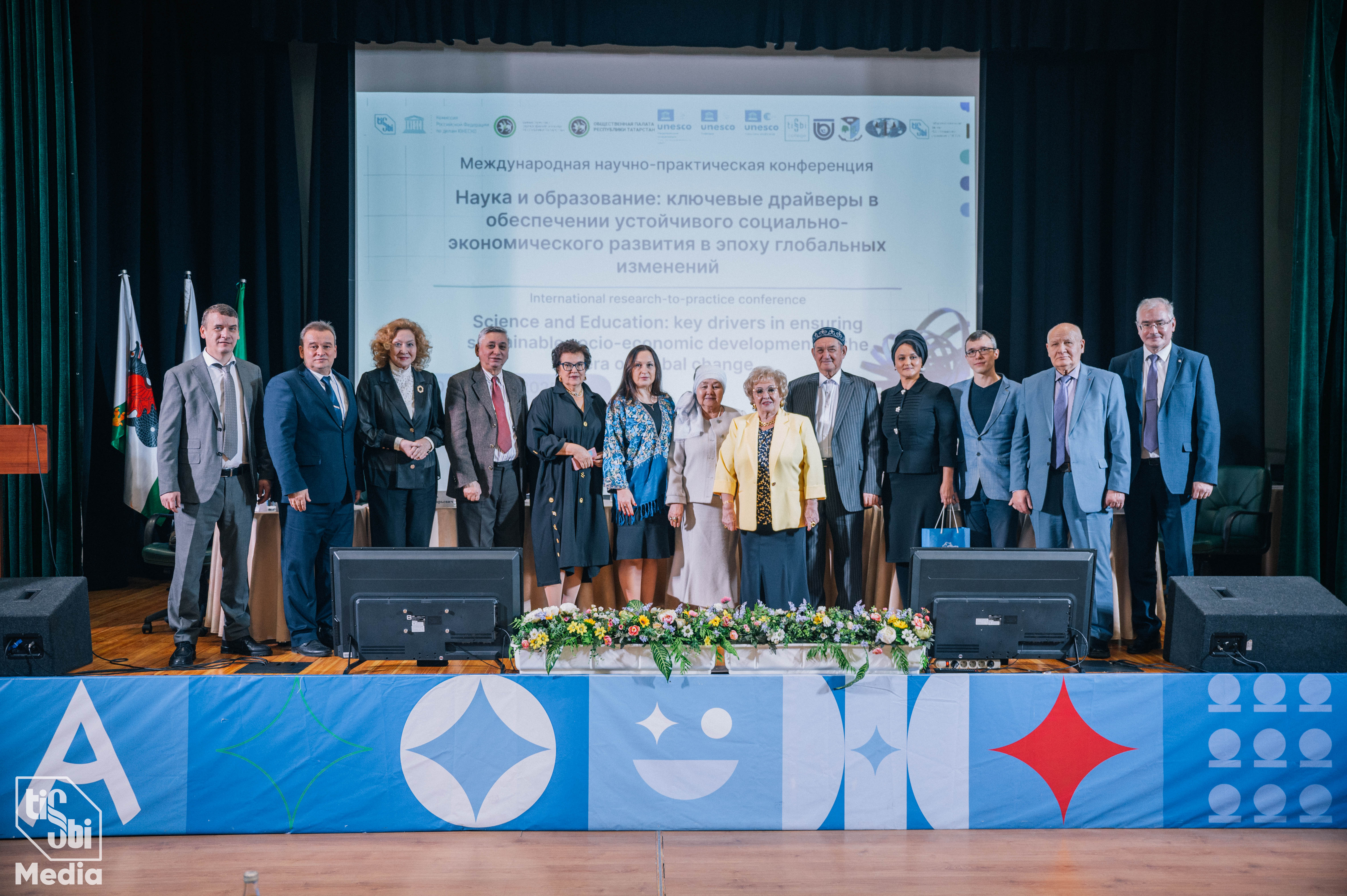
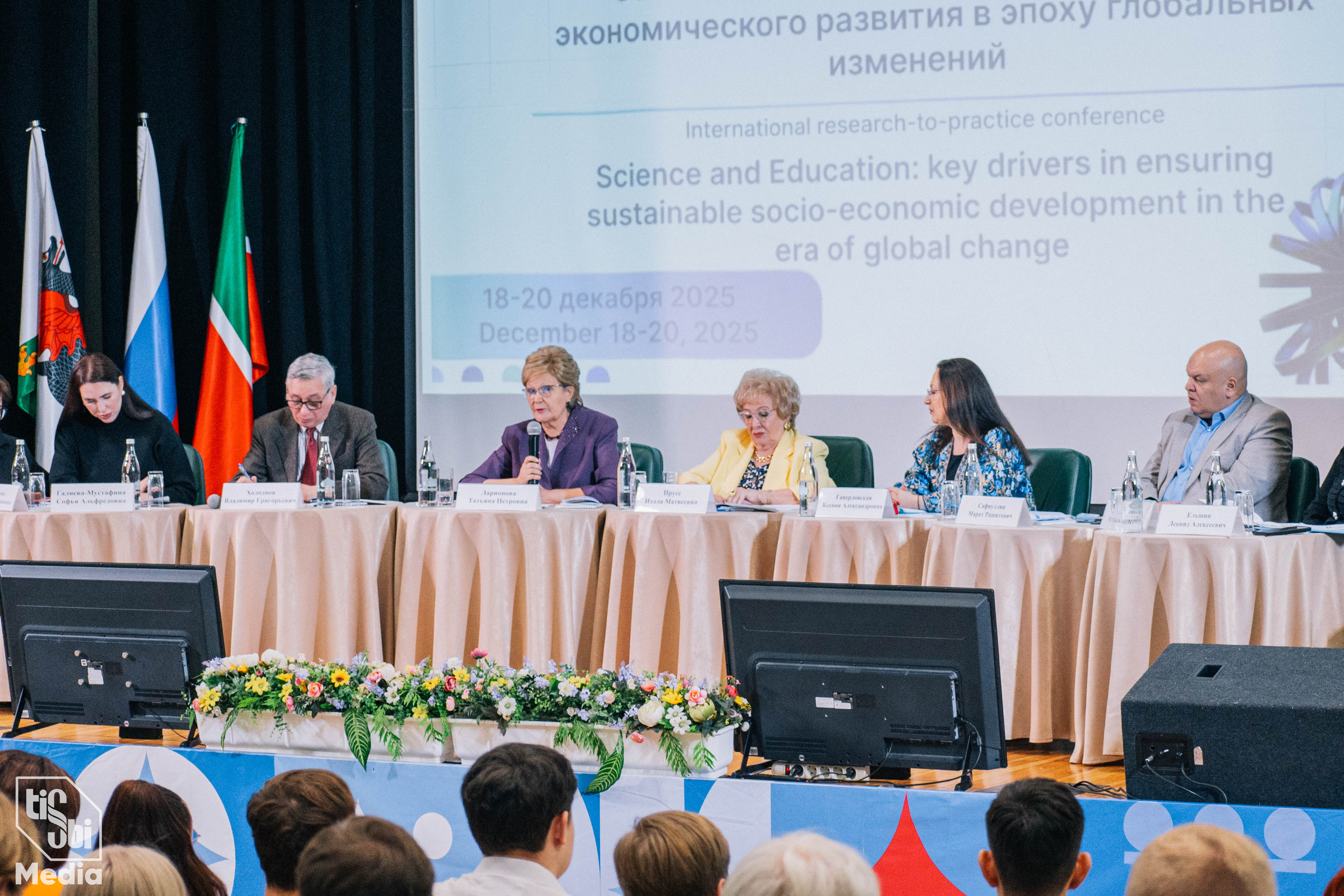

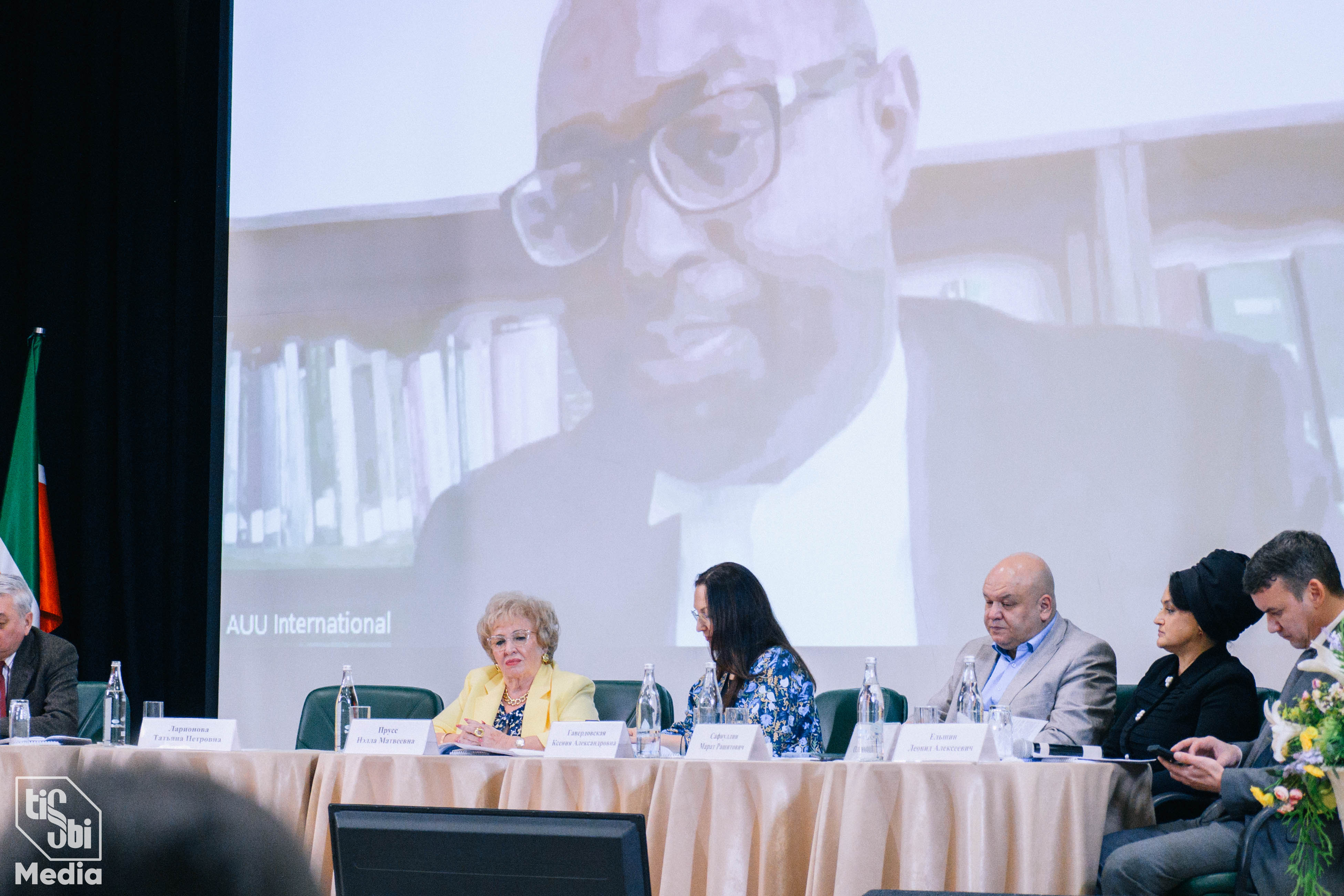

The event, timed to commemorate UNESCO’s 80th anniversary and the International Year of Volunteers, brought together over 700 experts and practitioners from countries and regions around the world, including Russia, Kazakhstan, Belarus, Africa, Thailand, Indonesia, India, Kyrgyzstan, the Republic of North Macedonia, and Morocco. International participants noted the high level of organization, depth of discussions, and applied character of the activities, confirming TISBI’s status as a leading international center for scientific and educational exchanges.
The conference’s central theme proved highly timely amid geopolitical turbulence and accelerating technological and economic transformation. Participants emphasized that dialogue on the role of science and education in sustainable development is not merely relevant but essential as a guiding reference for practical actions at various levels—from government policy to corporate responsibility. The program covered a wide range of issues: humanities and education in ensuring sustainable development, mechanisms for technological leadership and sustainable economic growth in the face of global challenges, legal foundations of sustainable development, integration of digital technologies into science and education, project management, innovative approaches and technologies in 21st-century education, and more. As emphasized by Inga Nishanian, Coordinator of the UNESCO/UNITWIN program at UNESCO in Paris, interdisciplinary platforms allow for the formation of common approaches and development of solutions adaptable to different national contexts.
Professor Karim Eruaki, who spoke on the model of Federico Mayor Zaragoza’s global transformations, noted a high level of participants and discussions: representatives of academic science, government bodies, and business from Russia, Kazakhstan, Belarus, Kyrgyzstan, Indonesia, Nigeria, and other countries engaged in substantive dialogue on concrete mechanisms and tools for sustainable development. Foreign participants such as Professor Ehi Eric Esoimeme Esq. (University of the African Union) and Marray Samuel Kamara (together with Johnny Massaquoi and Christiana Kadie Conteh, Representatives of National Council for Technical and Vocational Education, Sierra Leone) expressed gratitude for the opportunity to present at such a level and described it as the start of long-term academic cooperation with TISBI—in the prospect of seminars, master classes, and the implementation of joint educational programs and double degree programs. Muslimin Muslimin from Lampung University (Indonesia) noted that the Russian experience in the legal framework for sustainable development and project management holds significant interest for countries in the region.
Professor Ninoslav Marina from the University of Information Sciences particularly thanked TISBI’s President, Professor Nellа Pruss, for flawless organization and a warm working atmosphere. The hybrid format of the conference broadened the geographic reach and gave an opportunity for those unable to attend in person.
Our common duty is to turn knowledge into actionable strategies that provide a decent life for current and future generationsNinoslav MarinaProfessor from the University of Information Sciences
For many foreign guests, especially from CIS, Asia, and Africa, the conference became an important platform for establishing professional contacts and exchanging experiences. Rektors of Baishev University (Kazakhstan) and several other partner universities highlighted the value of studying Russian experience in integrating education and the real sector of the economy, and noted the similarity of challenges faced by educational systems in their countries and Russia. Special appreciation was drawn to master classes and discussion sessions dedicated to specific tools and technologies: information security in the financial sector, boosting research activity within open science, and modern project management.
The TISBI conference confirmed Russia and Republic of Tatarstan status as active participants in the global dialogue on sustainable development and became an important international scientific platform for presenting advanced developments and exchanging experience. Participants emphasized the potential for further international cooperation in the form of joint projects, research, and educational programs, including double degree programs. The views of foreign participants unanimously indicate that the conference achieved its main goal—creating an effective international interdisciplinary platform for developing practical recommendations and laying a foundation for future joint projects in the interests of sustainable development. For UNESCO and the global scientific community, the event served as a bright example of how higher education institutions can shape global strategies adaptable to national characteristics and conditions.